Brazil has some of the strongest LGBTQI+ legal protections in the Americas. Same-sex marriage has been available nationwide since 2013, same-sex couples can adopt, and in 2019 the Supreme Federal Court ruled that homophobia and transphobia are crimes under the country's anti-racism law. Trans people can change their legal name and gender marker by self-declaration at a registry office, without surgery or a court order.
Brazil also has a huge, visible queer culture. São Paulo stages one of the largest Pride marches on Earth, and Rio de Janeiro's Carnival and Ipanema beach scene are famous worldwide. But the laws and the culture sit alongside high levels of violence: Brazil consistently records some of the world's highest numbers of murders of trans people, and attitudes in rural areas and conservative religious communities can be hostile.
Brazil
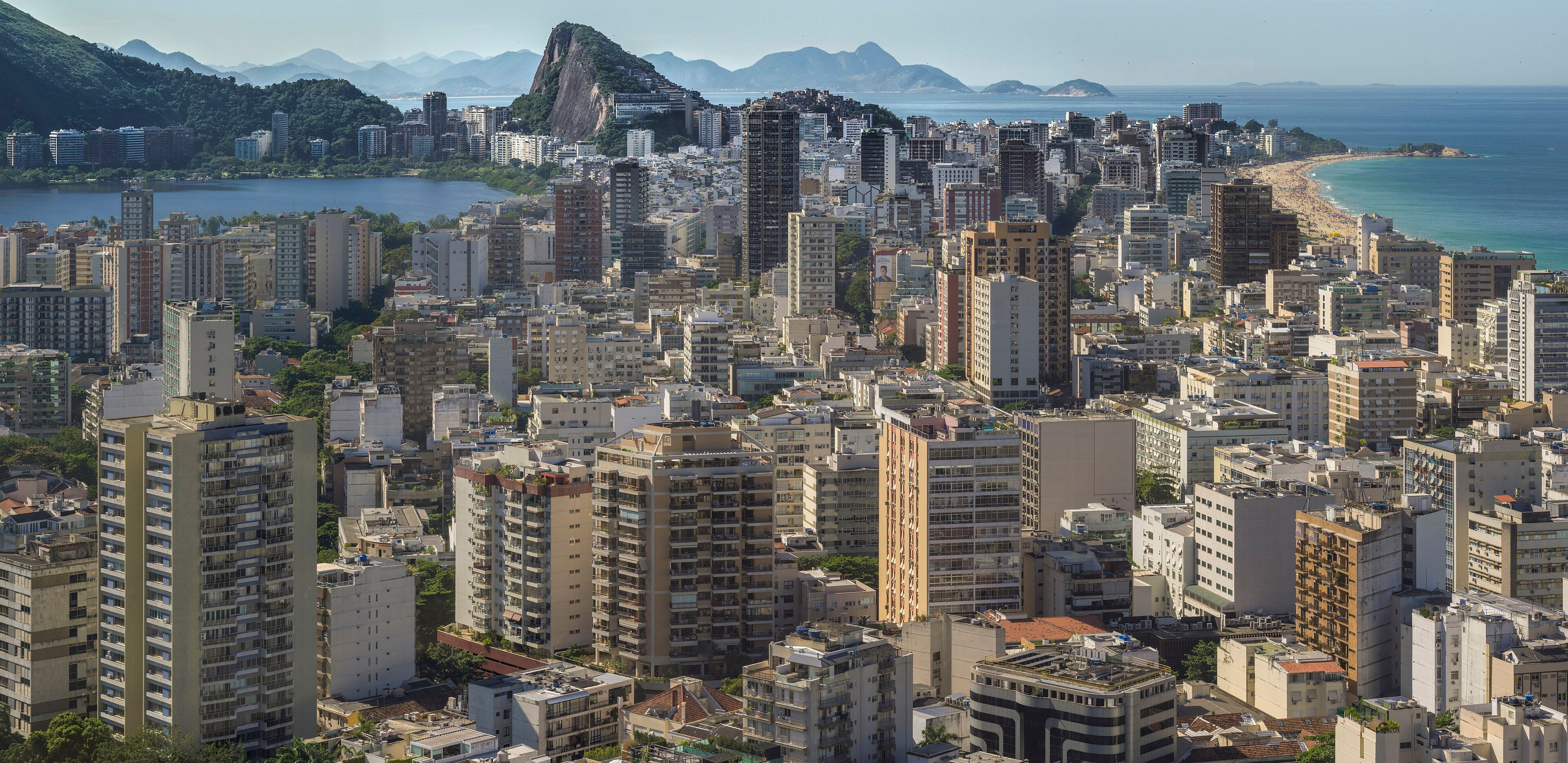
Rio's gay life plays out on the sand. Ipanema's rainbow-flagged beach at Farme de Amoedo, Carnival street parties and Copacabana Pride make it South America's most famous queer playground.

Brazil
Home to one of the world's biggest Pride marches, São Paulo is Latin America's queer megacity, with nightlife around Frei Caneca and Rua Augusta and a club scene that runs until sunrise.
