Brazil
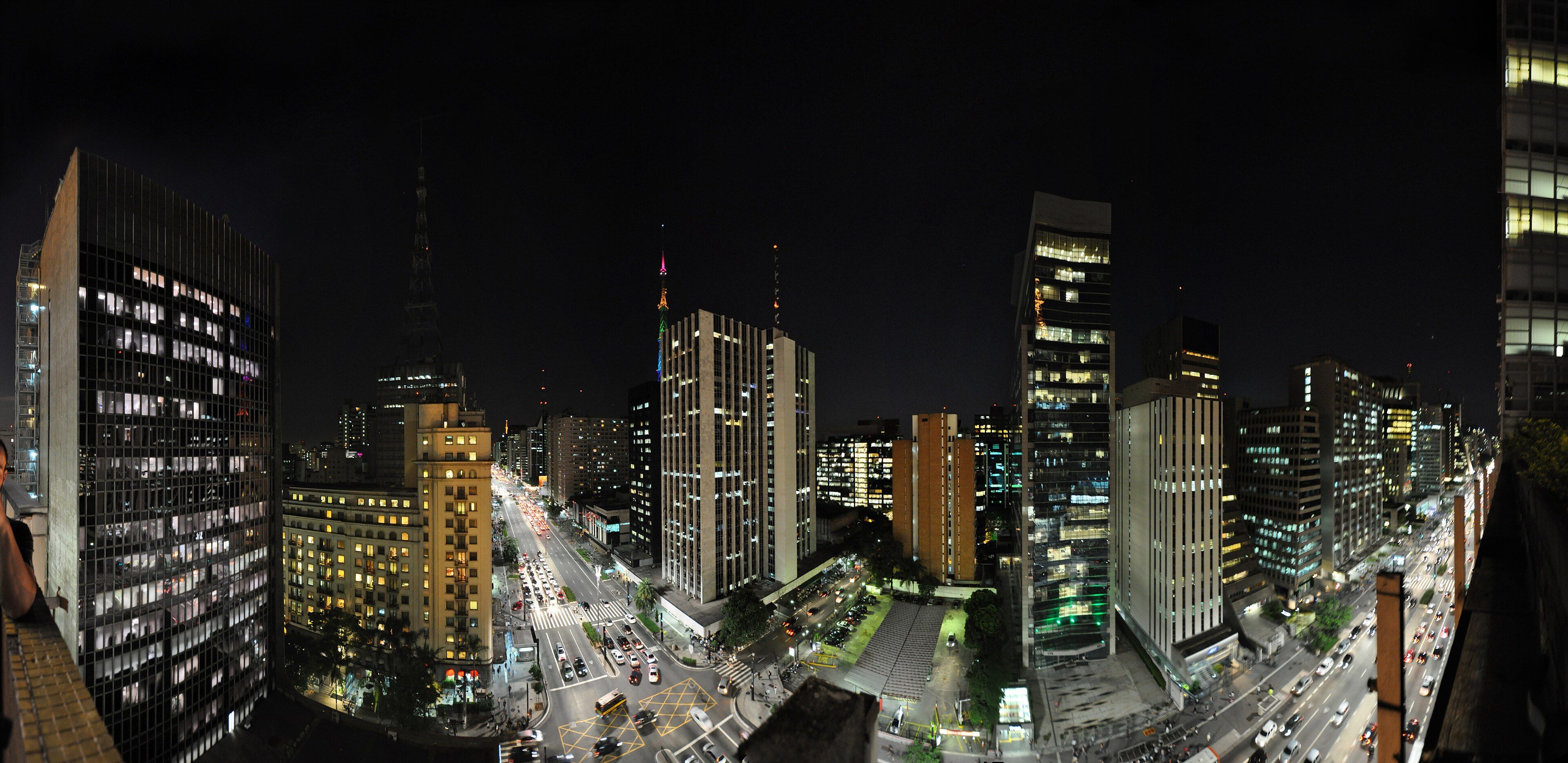
São Paulo is the largest city in the Americas: a vast, fast-moving metropolis of skyscrapers, world-class restaurants and art. It also has Latin America's largest LGBTQI+ community. The Consolação and Bela Vista neighbourhoods around Rua Frei Caneca and Rua Augusta are its gay heart. Each year millions of people pack Avenida Paulista for a Pride march that ranks among the biggest on the planet.
Gay life in São Paulo centres on the streets just downhill from Avenida Paulista, in the Consolação and Bela Vista neighbourhoods. Rua Frei Caneca is lined with gay bars, cafés and shops. Its shopping centre is so popular with the community that locals nicknamed it "Frei Gaycaneca". Nearby Rua Augusta is the city's bar street, gritty and lively, with a mixed and very queer crowd spilling onto the pavements late into the night. This area is also the most convenient base for visitors, with good hotels and Metro access.
São Paulo has one of the biggest club scenes in Latin America, and Paulistanos go out late and stay out later. Big gay clubs and circuit-style parties run from Thursday to Sunday, alongside drag bars, karaoke spots, bear and leather nights, and underground parties in Centro and Barra Funda. Largo do Arouche in República is the city's historic gay area and still has old-school bars. Vila Madalena and Pinheiros offer relaxed, mixed bar-hopping. Party line-ups change often, so check social media listings for the week you're in town.
The Parada do Orgulho LGBT+ de São Paulo is one of the largest Pride events in the world, with attendance regularly estimated in the millions. It once held the Guinness record as the biggest Pride parade. The march takes over Avenida Paulista, usually on the Sunday after Corpus Christi in late May or June, with trios elétricos (sound trucks) blasting music down the avenue. The week before is packed with events, including a cultural fair, film screenings and countless parties. Hotels near Paulista sell out months ahead.
São Paulo sits on a plateau about 760m above sea level, so it is milder than Rio. Summer (December to March) is warm, with frequent afternoon thunderstorms. Winter (June to August) is dry and sunny, with cool evenings that can drop below 10°C, so pack a jacket if you're coming for Pride. Spring and autumn are pleasant and good value. As a business city, São Paulo is often quieter and cheaper over the Christmas and Carnival holidays, when locals head for the coast.
São Paulo/Guarulhos International Airport (GRU) is Brazil's main international gateway, 45 to 90 minutes from the centre depending on traffic. Congonhas Airport (CGH) serves domestic flights and is much closer in. The city's traffic is notorious, so use the Metro where you can. Line 2 (Green) runs the length of Avenida Paulista, and Line 4 (Yellow) connects to Pinheiros and Centro. Ride-hailing apps are cheap and the best way to get home after a night out. On Sundays Avenida Paulista closes to cars and turns into a huge pedestrian street.
São Paulo is one of the most LGBTQI+-friendly cities in Latin America. Same-sex couples are a common sight around Frei Caneca, Rua Augusta, Paulista, Vila Madalena and Pinheiros. Brazil criminalised homophobia and transphobia in 2019, and the city has its own anti-discrimination protections.
As in any huge city, street crime is the main risk. Phone theft is common, so avoid using your phone openly on the street or near open car windows. Be careful in Centro, República and around Largo do Arouche late at night, and use ride-hailing apps rather than walking between venues. At Pride, carry minimal valuables and agree a meeting point with friends, because phone signal often fails in the crowds.
Major cities such as São Paulo, Rio de Janeiro, Florianópolis and Salvador have open, welcoming LGBTQI+ scenes, and same-sex couples are a common sight in the main gay neighbourhoods. Outside these areas, and particularly in rural and strongly evangelical regions, keep displays of affection discreet.
The biggest risk to most visitors is general street crime rather than targeted homophobia. Phone snatching, pickpocketing and occasional robberies are common in big cities. Carry only what you need, keep your phone out of sight on the street, and use ride-hailing apps rather than walking alone late at night. Trans travellers should be aware that anti-trans violence in Brazil is among the highest recorded anywhere, even though it rarely affects tourists in the main destinations.


