Brazil
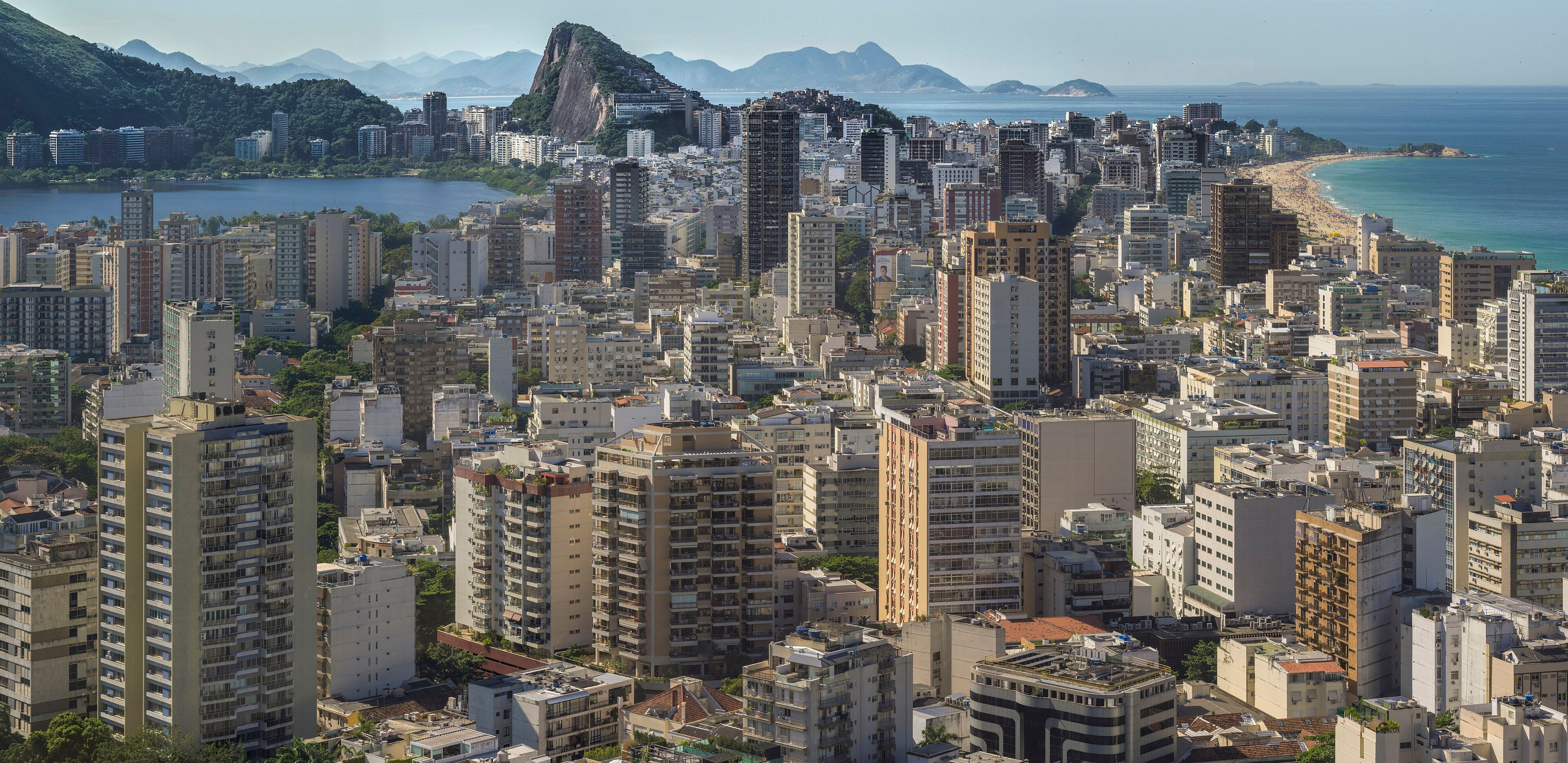
Rio de Janeiro is one of the world's most spectacular cities: granite peaks, rainforest and long beaches wrapped around a bay. Its LGBTQI+ life is unusually public and outdoors. It is centred on the stretch of Ipanema beach facing Rua Farme de Amoedo and spills into the bars of Ipanema and Copacabana, Lapa's samba halls and, every summer, the world's biggest Carnival.
The heart of gay Rio is Rua Farme de Amoedo, a short street in Ipanema running down to the beach. Where it meets the sand, between lifeguard posts 8 and 9, a rainbow flag marks the city's best-known gay beach. Expect a crowd of muscle boys, locals and visitors from across the world, especially at weekends and on summer afternoons. Beach vendors bring caipirinhas, grilled cheese and chairs to you. As the sun sets behind Morro Dois Irmãos, the crowd moves up Farme de Amoedo to the bars and botecos that line the street.
Rio's night scene is more scattered than the beach scene. Ipanema and Copacabana have long-running gay bars and saunas. Botafogo and Lapa draw a younger, more mixed crowd to samba nights, funk parties and alternative clubs. Big gay parties move between venues and are announced on social media, so check local listings when you arrive. Nights start late: few people go out before 11pm, and clubs keep going until dawn.
Carnival, held in the days before Lent in February or early March, is Rio at full volume. Beyond the samba school parades in the Sambadrome, hundreds of free street parties called blocos take over the city. Many are queer-friendly, and drag and cross-dressing are everywhere. The Banda de Ipanema, founded in 1965, is a legendary favourite of the gay crowd. Rio's Pride march (Parada do Orgulho LGBTI+) takes place along Copacabana beach, usually in the second half of the year. Check the current year's date before you book.
Rio is warm all year. Summer (December to March) is hot, humid and the busiest season, with Carnival and New Year's Eve on Copacabana as the peaks, so book accommodation well ahead. Autumn (April to June) and spring (September to November) offer warm beach days, fewer crowds and lower prices. Rain comes mostly as short, heavy summer storms. Winter (June to August) is mild and dry, and still often warm enough for the beach.
Most international flights arrive at Rio de Janeiro/Galeão International Airport (GIG), about 45 minutes from Ipanema by car. Santos Dumont Airport (SDU), right in the city centre, handles domestic flights. The Metro is clean, safe and the easiest way to move between Centro, Copacabana, Ipanema and Leblon, with Line 4 continuing to Barra da Tijuca. Ride-hailing apps are cheap and widely used, and they are the best option at night.
Ipanema, Leblon, Copacabana and Botafogo are welcoming to LGBTQI+ travellers, and same-sex couples holding hands near Farme de Amoedo draw no attention. Brazil criminalised homophobia and transphobia in 2019, but anti-LGBTQI+ violence remains a national problem, so be more discreet outside the main tourist neighbourhoods.
Street crime is the main concern in Rio. Take only what you need to the beach and never leave belongings unattended. Keep your phone out of sight on the street and on the beachfront, where snatch-and-run thefts are common. Use Uber or 99 rather than walking at night, and only visit favelas with a reputable guided tour. During Carnival, pickpockets work the bloco crowds, so carry a cheap phone and minimal cash.
Major cities such as São Paulo, Rio de Janeiro, Florianópolis and Salvador have open, welcoming LGBTQI+ scenes, and same-sex couples are a common sight in the main gay neighbourhoods. Outside these areas, and particularly in rural and strongly evangelical regions, keep displays of affection discreet.
The biggest risk to most visitors is general street crime rather than targeted homophobia. Phone snatching, pickpocketing and occasional robberies are common in big cities. Carry only what you need, keep your phone out of sight on the street, and use ride-hailing apps rather than walking alone late at night. Trans travellers should be aware that anti-trans violence in Brazil is among the highest recorded anywhere, even though it rarely affects tourists in the main destinations.


