Australia
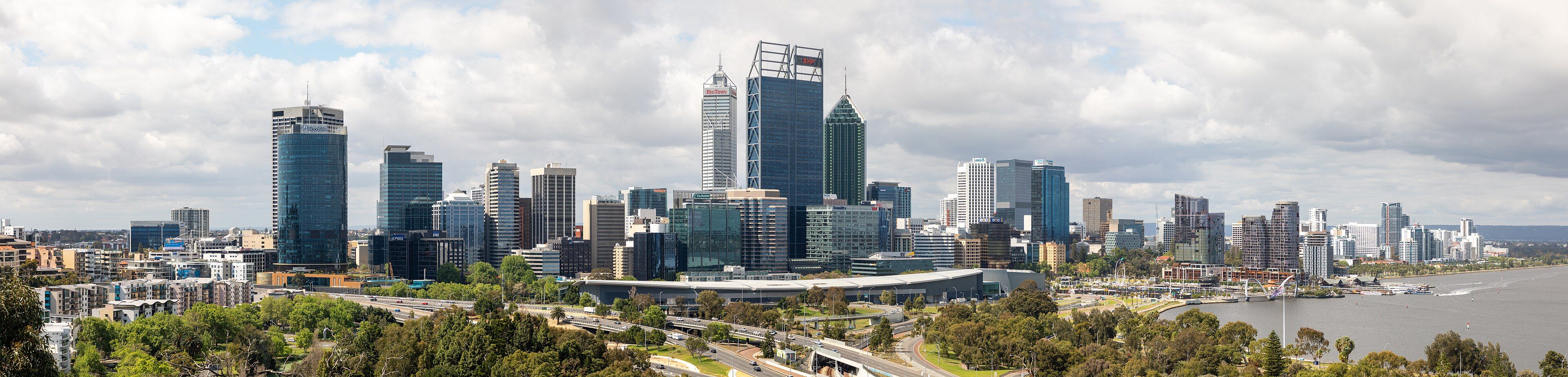
Perth is one of the world's most isolated big cities: a sunny, outdoorsy capital on the Swan River, with Indian Ocean beaches minutes away and more sunshine than any other Australian capital. Its LGBTQI+ community is smaller and more low-key than Sydney's or Melbourne's, but it is warm, well organised and growing in confidence. That confidence was on show when Perth won the bid to host Gay Games XIII in March 2030.
Perth's queer nightlife has long centred on Northbridge, the entertainment district just north of the CBD across the railway line. It is home to the city's longest-running gay bars and clubs and to the Pride Parade route each November. Over the past decade much of the community has also settled in the inner-north suburbs of Highgate, Mount Lawley and Leederville. Beaufort Street in Mount Lawley and Oxford Street in Leederville are lined with relaxed, queer-friendly bars, cafés and small venues. Perth's scene is smaller than the east coast's, so expect a mix of dedicated queer nights and mixed bars rather than a single gay strip.
Perth's beaches are among the best of any city in the world. Cottesloe is the classic swimming beach and the place to watch the sun set into the Indian Ocean. North Swanbourne is Perth's long-established clothing-optional beach, and its northern stretch is popular with gay men. Fremantle, 30 minutes away by train, is a historic port town with Victorian streetscapes, markets, craft breweries and a creative, queer-friendly crowd. From Fremantle, ferries cross to Rottnest Island in about 30 minutes for cycling, snorkelling in turquoise bays and the obligatory quokka selfie.
Pride WA runs PrideFest each November: several weeks of community events, parties, arts and Fair Day, capped by the Perth Pride Parade through Northbridge. Pride WA also led the winning bid for Gay Games XIII, which will bring up to 36 sports, six cultural events and thousands of participants to Perth from 9 to 16 March 2030. February and early March are also festival season, with Fringe World and the Perth Festival filling the city with performance, music and late-night bars.
Perth has a Mediterranean climate with hot, dry summers and mild, wetter winters. December to March is beach season, with highs often above 30°C. The afternoon sea breeze known as the Fremantle Doctor cools things down most days. March, when the Gay Games take place, is still summer, with long sunny days in the high 20s and warm sea temperatures. Autumn (April to May) and spring (September to November) are pleasant and quieter. Spring brings Western Australia's famous wildflowers and PrideFest in November.
Perth Airport (PER) has direct flights to London and Paris, as well as to hubs including Singapore, Dubai, Doha and Bali, and frequent connections to Sydney and Melbourne (about four to five hours). The Airport Line links the terminals to the CBD by train in under 20 minutes. Transperth trains, buses and ferries cover the city, and free CAT buses loop around the city centre. Trains run to Fremantle and the beach suburbs, but a car is useful for exploring further afield, from the Swan Valley wineries to Margaret River.
Perth is very safe for LGBTQI+ travellers, and same-sex couples are a normal sight in Northbridge, Highgate, Mount Lawley, Leederville and Fremantle. Australia has had marriage equality since 2017, and discrimination on the basis of sexual orientation is unlawful. The city is more conservative than Sydney or Melbourne, so some couples are a little more discreet in outer suburbs and regional towns.
The main practical risks are environmental. The Australian sun is intense, even on cloudy days, so wear SPF 50+ sunscreen and a hat and drink plenty of water. Swim between the red and yellow flags at patrolled beaches. Northbridge is busy and generally well policed on weekend nights, but use the usual late-night precautions and take a taxi or rideshare home.
Australia is very safe for LGBTQ+ travellers with strong federal anti-discrimination protections, marriage equality since 2017, and a culture of openness in major cities. Sydney, Melbourne, and Brisbane have large, well-established LGBTQ+ communities. Some remote areas can be more conservative.


