Mexico
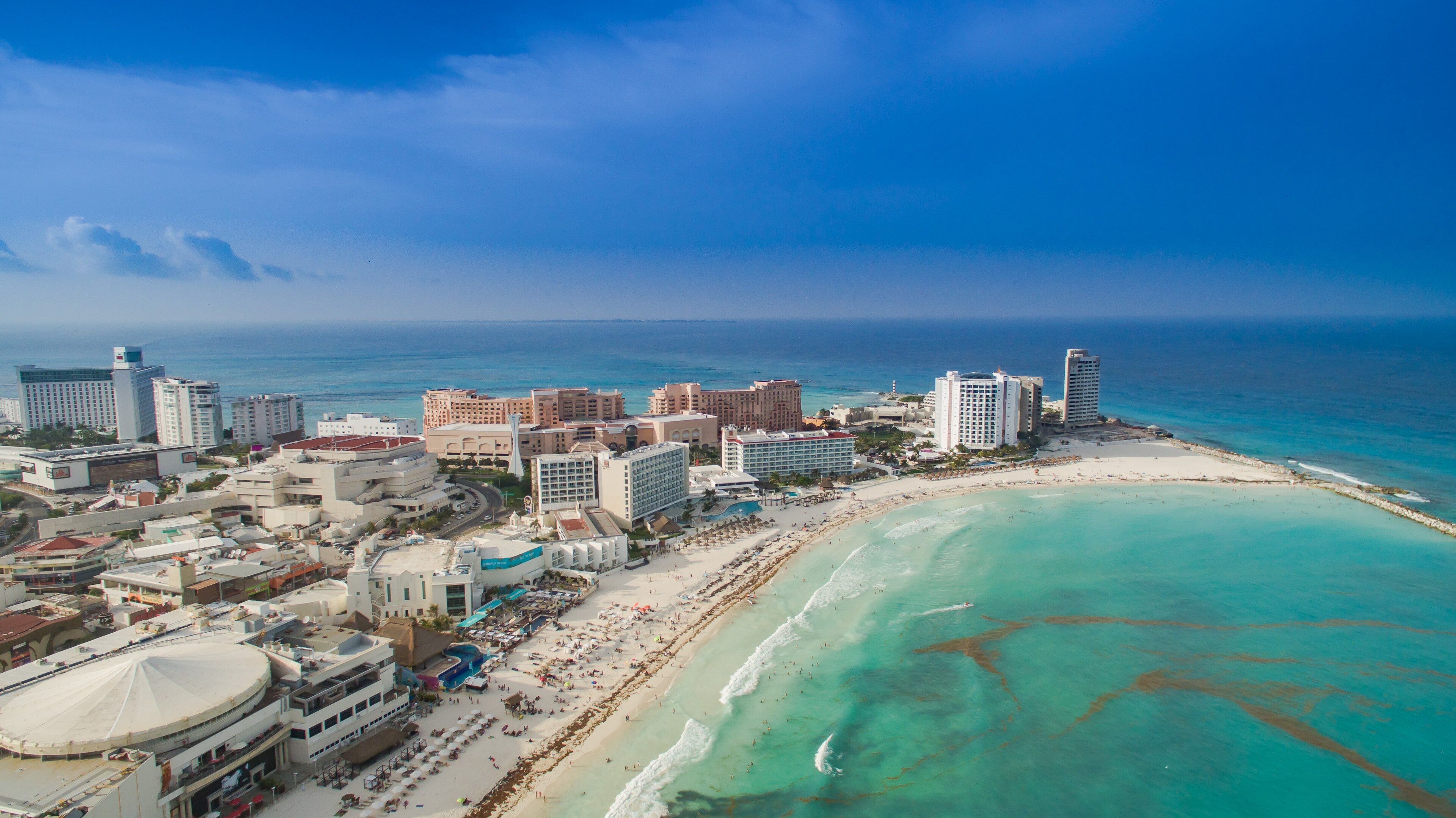
Cancún is Mexico's biggest beach resort: a long sandbar of white beaches and turquoise Caribbean water lined with hotels, and the gateway to the Riviera Maya. Its LGBTQI+ scene is smaller and more low-key than Puerto Vallarta's or Mexico City's. Still, the resorts are welcoming, downtown has a handful of lively gay bars, and the wider region offers cenotes, Mayan ruins and laid-back beach towns.
Most visitors stay in the Zona Hotelera, a 22km strip of resorts between the Caribbean and the Nichupté Lagoon. Big international hotel chains, including many adults-only and all-inclusive resorts, are used to welcoming same-sex couples. A growing number of properties market themselves as LGBTQI+-friendly. The beaches on the east-facing side, such as Playa Delfines, Playa Chac Mool and Playa Gaviota Azul, have the most striking water. The calmer north-facing beaches are better for swimming.
Cancún's gay nightlife isn't in the Hotel Zone but downtown (El Centro), where locals live. A small cluster of gay bars and clubs around Avenida Tulum and Parque de las Palapas puts on drag shows, karaoke and dance nights, busiest from Thursday to Saturday. It's more of a local scene than a tourist circuit, which makes it friendly and good value. Venues open and close often, so check recent reviews or local LGBTQI+ social media before heading out. Cancún also holds a Pride march, usually in June.
Cancún is the base for exploring the Yucatán. Playa del Carmen, an hour south, has a walkable centre, a more visible gay-friendly bar scene and boutique hotels. Tulum offers bohemian beach clubs, eco-chic hotels and clifftop Mayan ruins. Isla Mujeres is a short ferry ride from Cancún, and day trips go to Chichén Itzá and the region's freshwater cenotes, which are some of the most beautiful swimming spots in Mexico.
December to April is the dry season, with sunny days, lower humidity and the most reliable beach weather. It is also the busiest and most expensive period, and March brings US spring-break crowds to the Hotel Zone. The hurricane season runs from June to November and peaks between August and October. From roughly April to August, sargassum seaweed can wash up on the east-facing beaches, so check recent beach reports before booking.
Cancún International Airport (CUN) is one of the busiest in Latin America, with direct flights from across North America and Europe. It is 15 to 30 minutes from the Hotel Zone. Cheap R-1 and R-2 buses run up and down the Hotel Zone and into downtown around the clock. ADO intercity buses connect the airport and downtown with Playa del Carmen and Tulum, and the Tren Maya railway links the region to Mérida and beyond. Agree taxi fares before you get in.
Cancún's resorts and Hotel Zone are welcoming to LGBTQI+ guests, and same-sex marriage has been legal in Quintana Roo for over a decade. Outside the resorts and gay venues, Cancún is a more conventional, family-oriented place than Puerto Vallarta or Mexico City. Same-sex couples are unlikely to face problems, but many keep displays of affection low-key in downtown streets and on public buses.
The Hotel Zone is generally safe. There are occasional incidents of cartel-related violence in downtown Cancún and elsewhere on the Riviera Maya, but they rarely involve tourists. Use official taxis or ride-hailing at night, avoid buying drugs, keep an eye on your drinks, and pay attention to beach warning flags, because currents on the east-facing beaches can be strong.
Mexico is generally safe for LGBTQ+ travellers in major tourist cities. Same-sex marriage is legal across all states (achieved progressively 2009–2022). Mexico City has a vibrant queer culture. Exercise more caution in rural areas and states with higher rates of anti-LGBTQ+ violence.


