Italy
Turin (Torino) is Italy's elegant first capital, at the foot of the Alps. It's a city of grand arcaded boulevards, baroque squares, world-class museums and a café culture built on vermouth, chocolate and aperitivo. It has a special place in Italian queer history: FUORI!, the country's first gay liberation movement, was founded here in 1971. Turin also hosts one of Europe's oldest LGBTQI+ film festivals and will host EuroPride in June 2027.
Turin's LGBTQI+ scene is relaxed and spread across the city rather than packed into a single gay district. San Salvario, the multicultural neighbourhood beside Porta Nuova station and Parco del Valentino, is the liveliest area for bars and nightlife and has a strongly queer-friendly crowd. The Quadrilatero Romano, the city's oldest quarter, and Vanchiglia, behind the Mole Antonelliana, are full of wine bars and aperitivo spots popular with the community. Gay clubs and big monthly parties run mostly from Thursday to Saturday. Check local listings when you arrive.
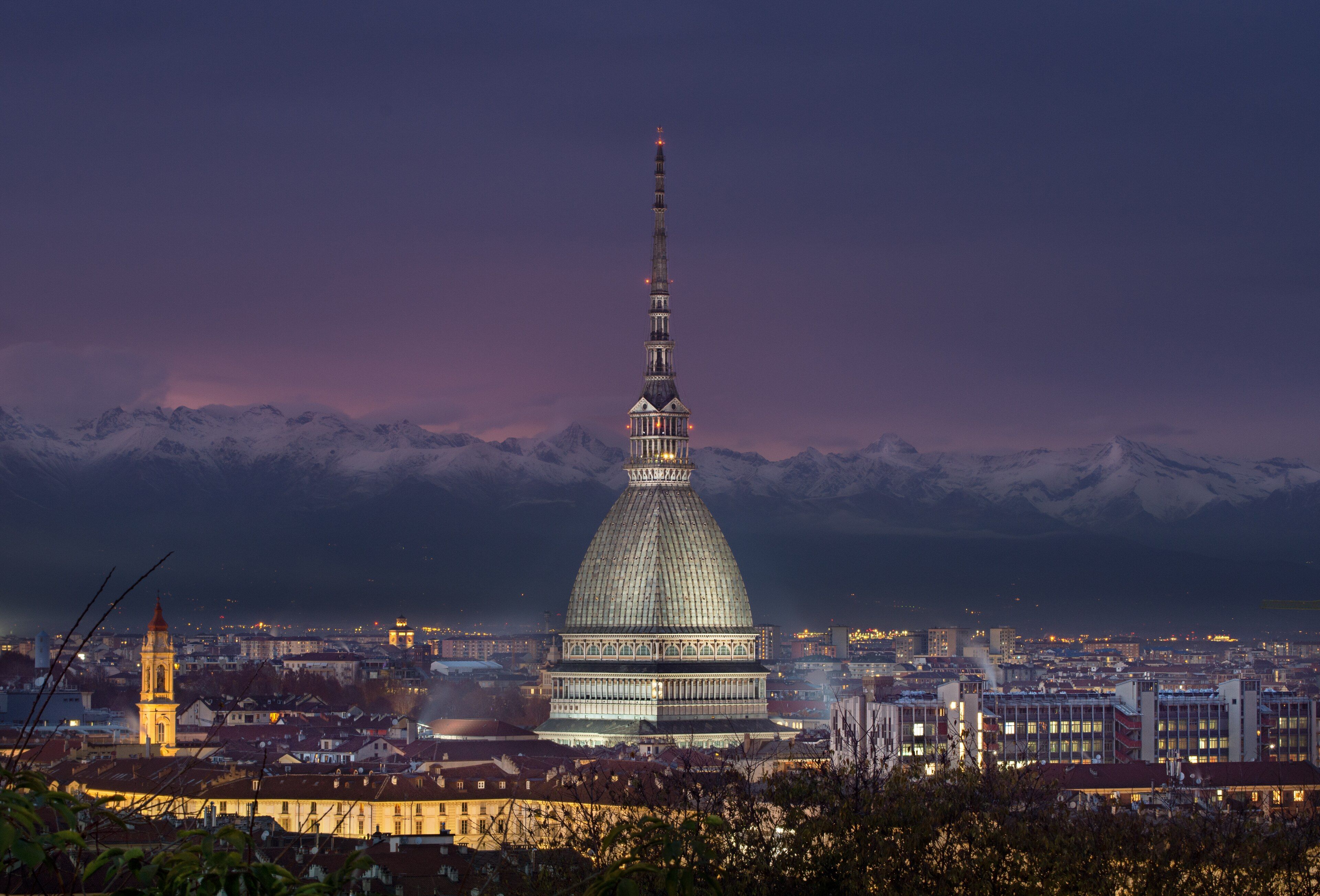
Turin was Italy's first capital, and it shows. Piazza Castello, the Royal Palace, and kilometres of porticoed streets along Via Po and Via Roma give the centre a grandeur unlike any other Italian city. The Egyptian Museum is one of the most important in the world, and the Mole Antonelliana houses the National Cinema Museum, with a glass lift to a panoramic terrace. Turin's long cinema tradition also gave rise to Lovers Film Festival, founded in 1986 and one of Europe's oldest LGBTQI+ film festivals. The city is also the home of vermouth and gianduja chocolate. Its aperitivo culture, where a drink comes with a generous buffet, is the perfect way to start an evening.
Torino Pride is held each June with a parade through the historic centre. In 2027 Turin hosts EuroPride, the European Pride Organisers Association's flagship event, from 18 to 26 June. Expect nine days of parties, cultural events, a human rights conference and a parade through the city centre that will draw visitors from across Europe. Turin won the hosting rights in 2024, beating bids from Gloucestershire, Vilnius and Torremolinos.
Turin has hot summers and cold, often foggy winters, with the Alps visible on clear days. Late spring (May to June) and early autumn (September to October) are ideal, with warm days for walking the arcades and sitting outside for aperitivo. June also brings Pride, and in 2027 EuroPride. July and August can be hot and humid, and many locals leave the city in August. Winter is cosy and good value. The ski resorts of the Via Lattea, which hosted the 2006 Winter Olympics, are about 90 minutes away.
Turin Airport (TRN) at Caselle has flights from many European cities and connects to the centre by train and bus in about 30 to 45 minutes. Milan's airports are also within easy reach. High-speed Frecciarossa and Italo trains link Porta Nuova and Porta Susa stations to Milan in about an hour and to Rome in about four and a half hours, and there are direct trains to Paris. The centre is compact and flat, so walking is easy. Trams, buses and the single metro line cover the rest of the city.
Turin is one of Italy's most open-minded cities and is generally very safe for LGBTQI+ travellers, especially in the centre, San Salvario, Vanchiglia and the Quadrilatero. Italy has recognised same-sex civil unions since 2016, but it does not have marriage equality or a national hate crime law covering sexual orientation and gender identity. Attitudes outside the big cities can be more traditional, so read the room when travelling around the region.
Turin is a low-crime city by European standards. The usual precautions apply around Porta Nuova station and on busy trams, where pickpockets operate. San Salvario's nightlife is busy and good-natured, though weekend crowds can get loud late at night.
Italy is generally safe for LGBTQ+ travellers in major cities. Civil unions are recognised but same-sex marriage is not (as of 2025). Anti-discrimination protections exist but are less comprehensive than northern European peers. Major cities — Rome, Milan, Bologna — are welcoming; more rural and southern areas may be less so.


